Guide
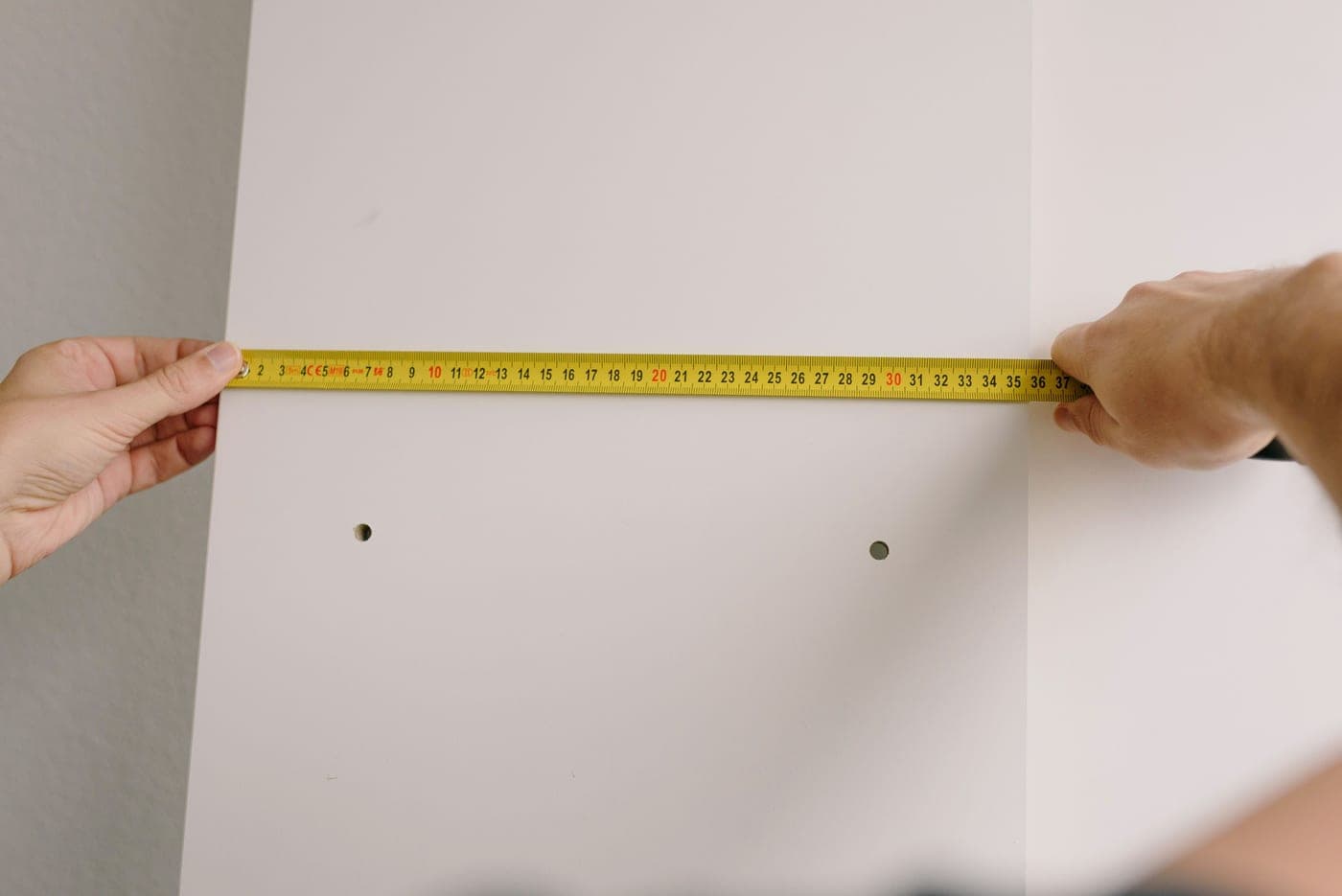
How to measure your entryway
The four measurements that decide everything, and the three ways people get them wrong.
Guides
The questions that come up between measuring the wall and choosing a piece — how much a bench will actually hold, why a closed cabinet smells, what a hall tree needs to be screwed into, and what to do when nothing fits.

These seventeen guides cover the questions that come up between measuring the wall and buying a piece: what a bench will actually hold, why a closed cabinet starts to smell, how many pairs really fit, what a hall tree has to be screwed into, and what to do when the hallway is too narrow for any of it.
They exist because the buying decision in this category is rarely blocked by not knowing which product is best. It is blocked by a smaller, more specific question — will a size 13 fit in a 24 cm drawer, is 11 pounds per hook enough for a winter coat, does the bench need anchoring — and those questions do not have a page anywhere that answers them with a number.
If you have not measured yet, start there. How to measure your entryway takes the four figures that eliminate most of the market, in the order that eliminates fastest, and names the three mistakes that make a measurement wrong — measuring at the wrong height, forgetting the door swing, and measuring the wall rather than the walkway.
If the hallway turns out to be genuinely tight, what to put in a narrow entryway is the honest answer to a room that will not take a bench, and it does not simply tell you to buy a narrower bench.
Weight limits, cushions and upholstery, materials, and anchoring all cover things that decide whether a piece lasts. The weight-limits guide is the one most worth reading before you spend: static load and dynamic load are different figures, most makers publish only the first, and two of the benches we rank publish neither.
On the shoe storage side, ventilation, capacity and flip drawers versus cubbies cover the three things that actually differ between cabinets once you have settled the depth question. Ventilation is the one people wish they had read first.
Kids, boots and tall shoes, outdoor storage, mudrooms and hallway furniture each start from a room or a household rather than a product. They are the pages to read if the standard advice has not worked, usually because the standard advice assumes an entryway that is a room rather than a corridor with a door in it.
Every guide here links to the roundup it qualifies, so if a guide changes your mind about what you need, the models that match are one click away rather than a search away.
Go deeper
Guide
The four measurements that decide everything, and the three ways people get them wrong.

Guide
Static against dynamic load, the 198 to 440 lb range, and how to read a missing figure.

Guide
Why a cushion changes the seat height, and why a removable cover is the specification that matters.
Guide
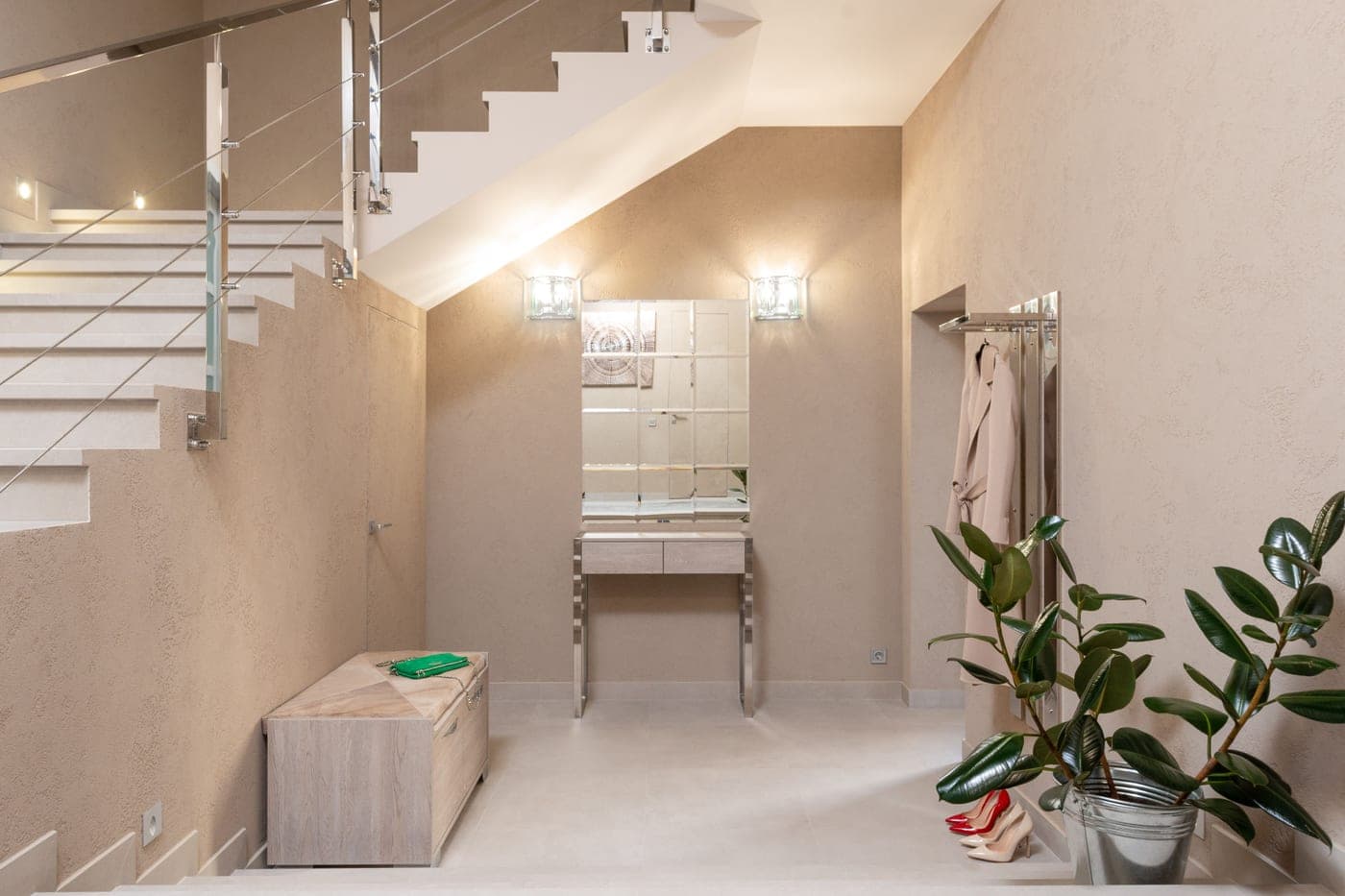
A plan for a hallway too narrow for a bench, in the order things should be added.

Guide
Why closed shoe storage smells, and the three designs that solve it.

Guide
How to work out real capacity for your own shoes rather than trusting a stated figure.


Guide
How a hall tree works in an entryway, a mudroom, a garage and a laundry room.
Guide
What really ships ready to use in this category, and why so little of it does.
Guide
Particleboard, bamboo, solid wood and steel in a damp entryway, honestly compared.
Guide
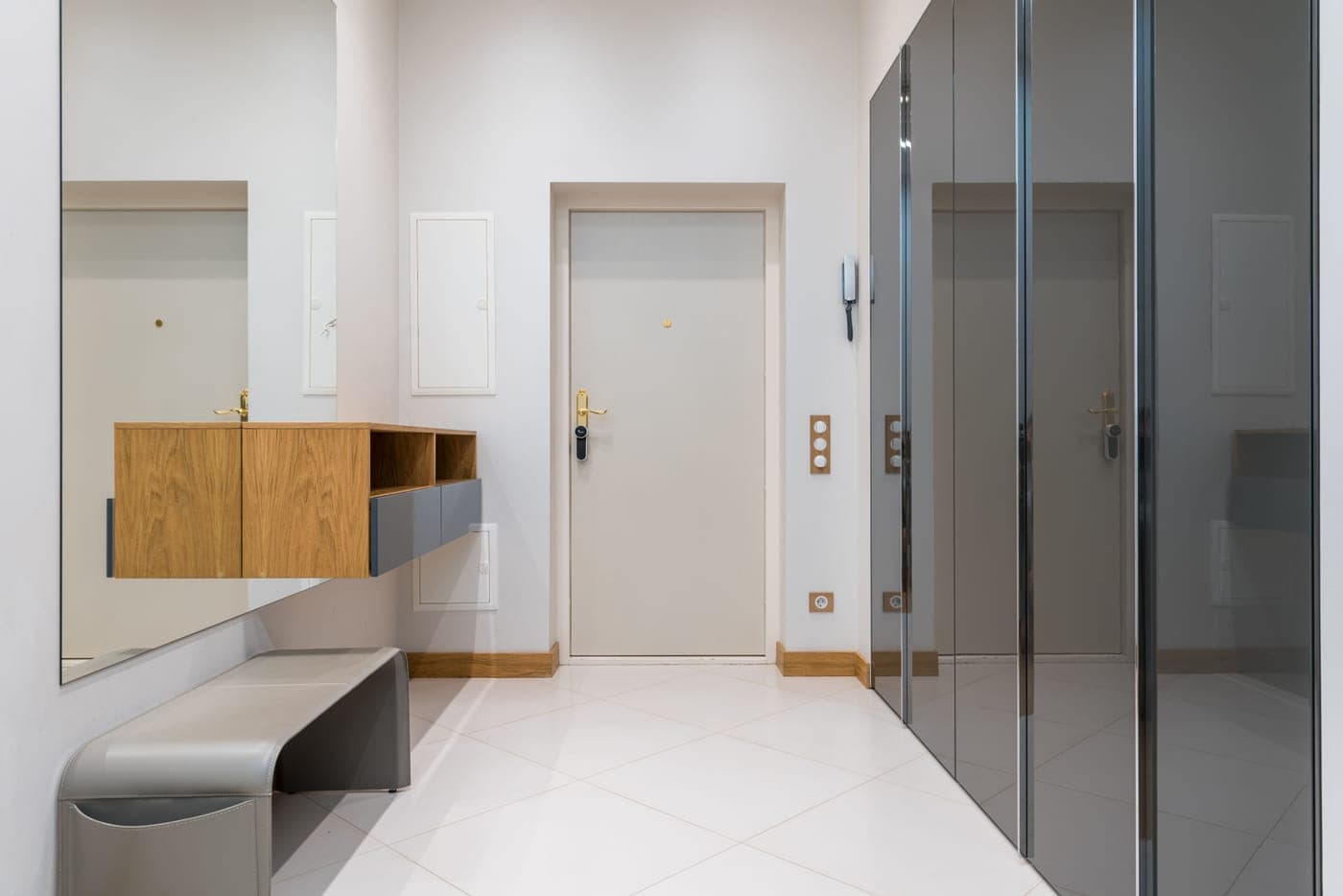
Storage ideas sorted by how much hallway they cost, with what each one solves.
Guide
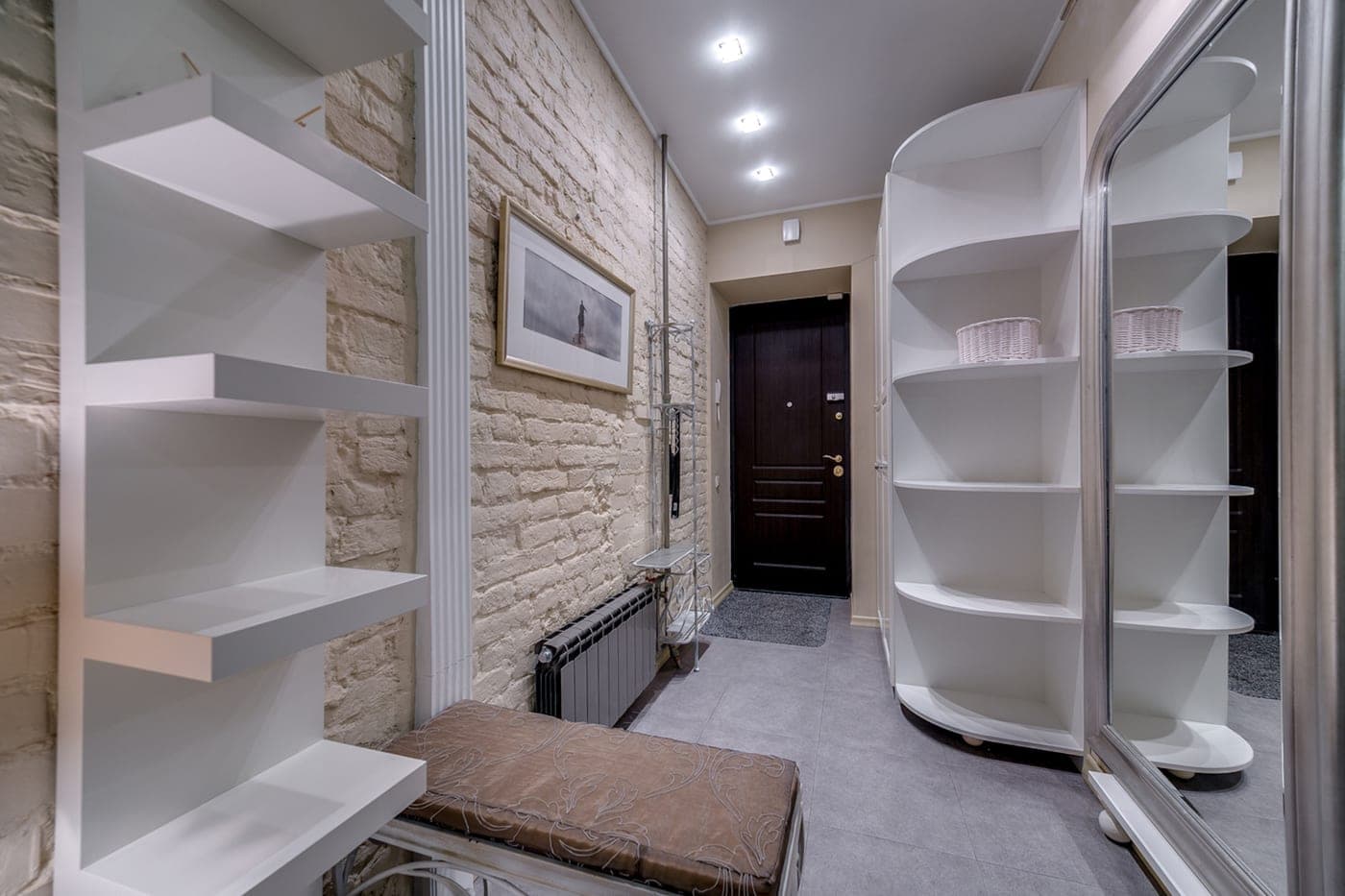
Which storage suits a corridor rather than a room, and the depth maths behind it.
Guide
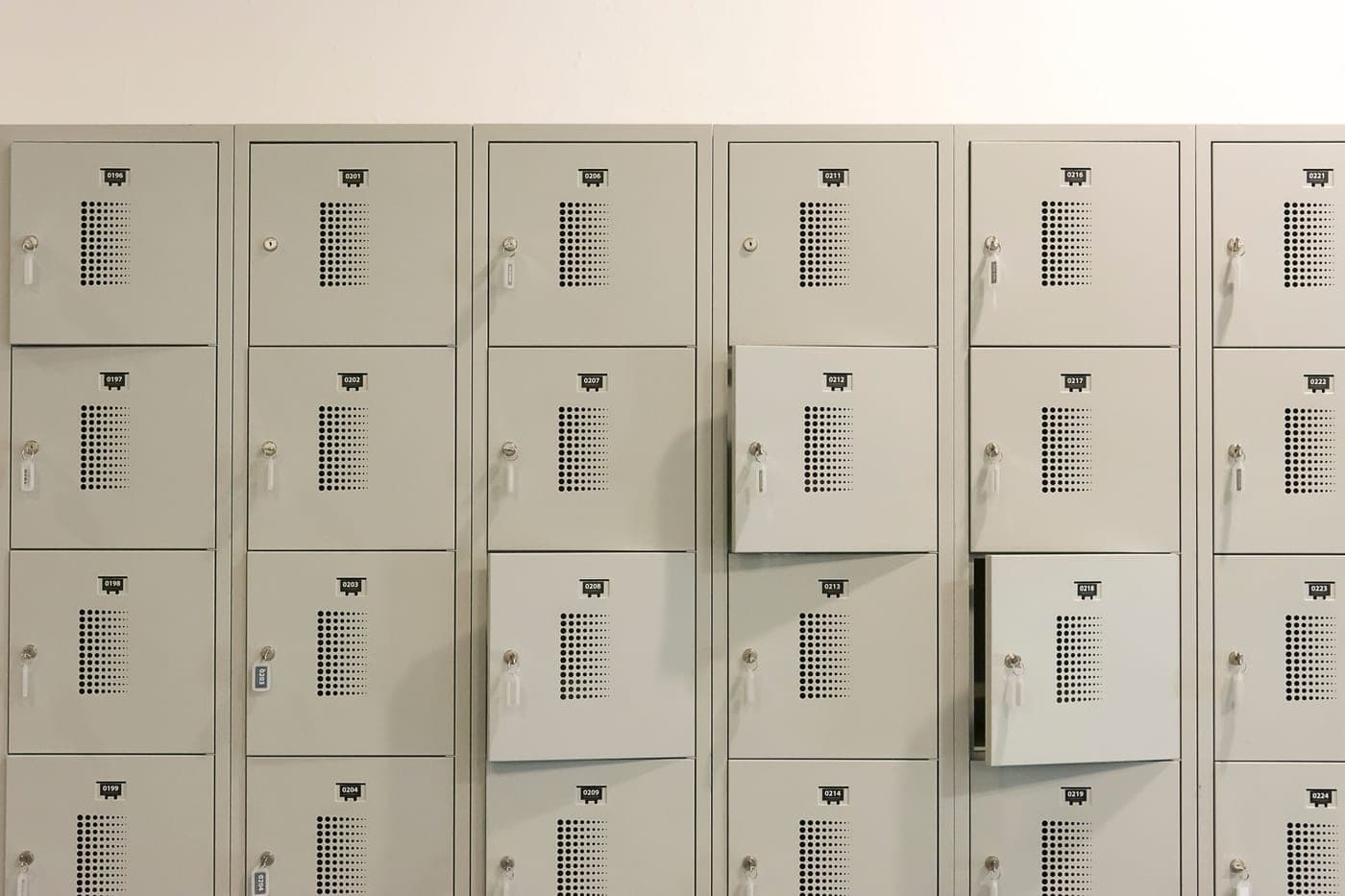
Two rooms with genuinely different requirements, and the furniture each one needs.

Guide
Why compartment height defeats boots, and the three formats that actually take them.

Guide
The hook and shelf heights children can actually reach, and the anchoring that comes first.

Guide
Why indoor entryway furniture fails outdoors, and what to use instead.
Guide
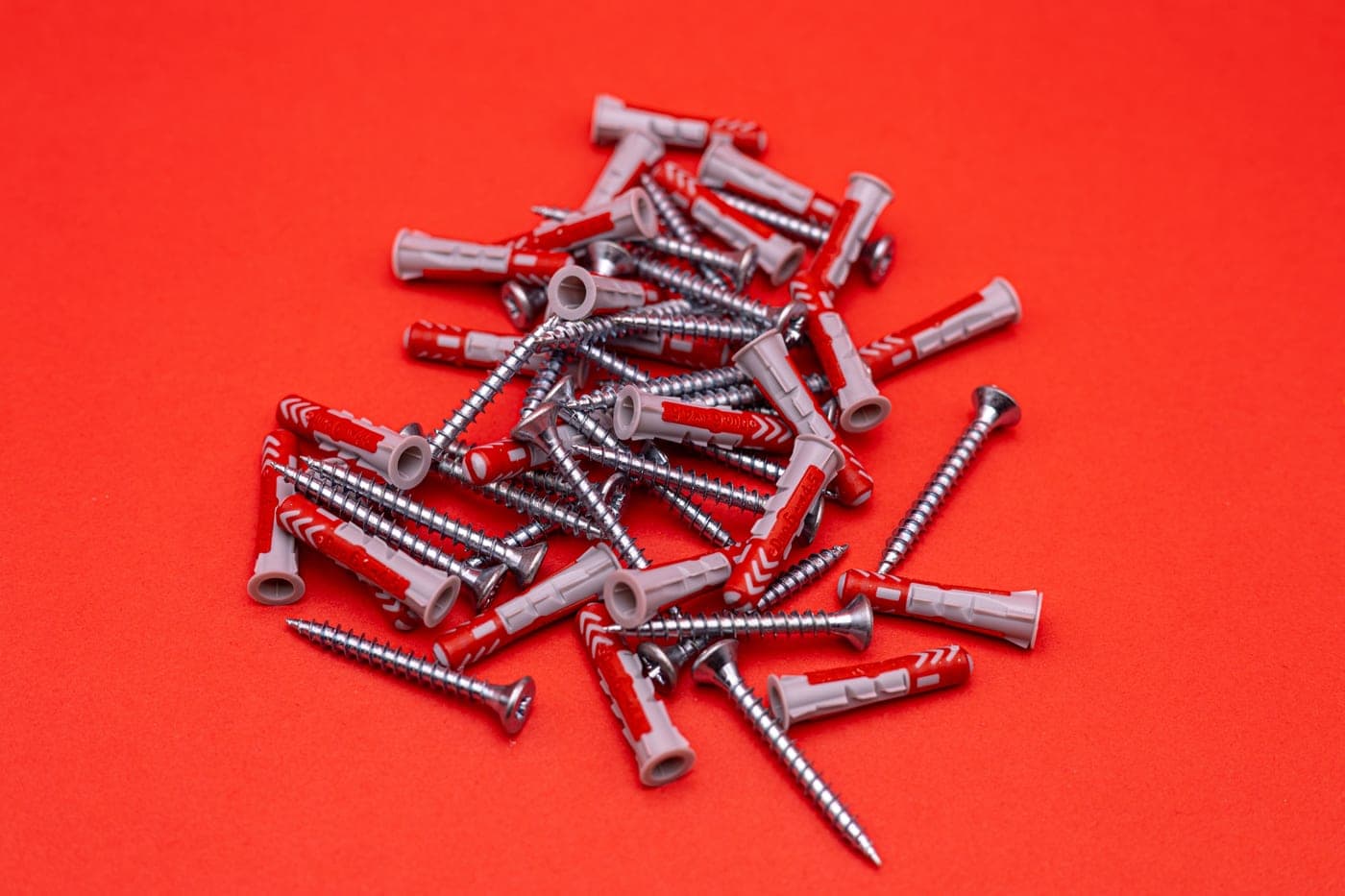
Which pieces must be anchored, which fixings hold, and which quietly fail.

Guide
The 11 lb hook rating, the heights that suit adults and children, and the three shapes that carry hooks.

Guide
Door swing, hinge side, heat, walkway and wall type — the five checks before a cabinet goes anywhere.
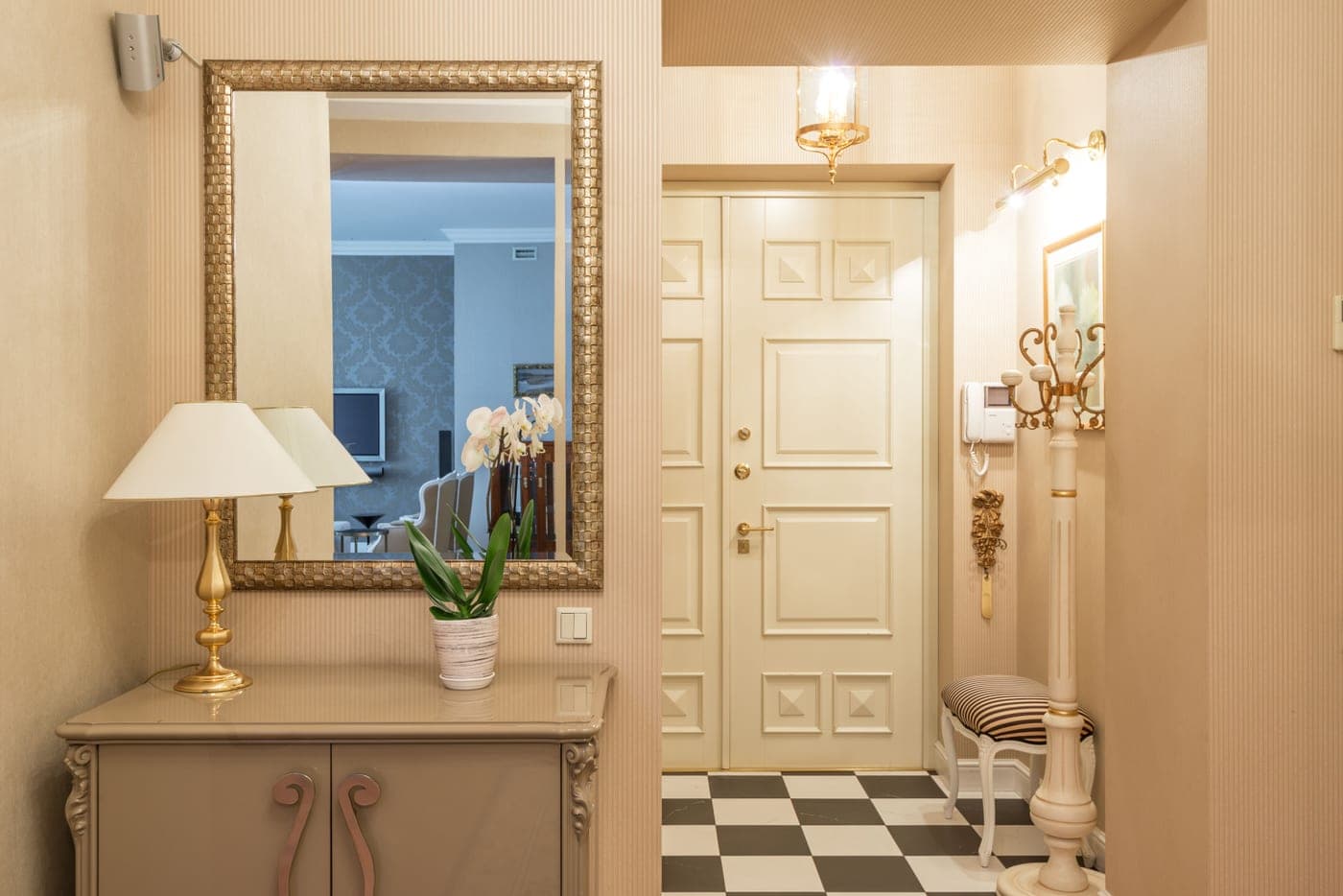
Guide
What a hall tree actually costs in floor, wall and flexibility — and the three households it is wrong for.
Guide
What to buy first from an empty hallway, what to add second, and the order that stops you buying twice.
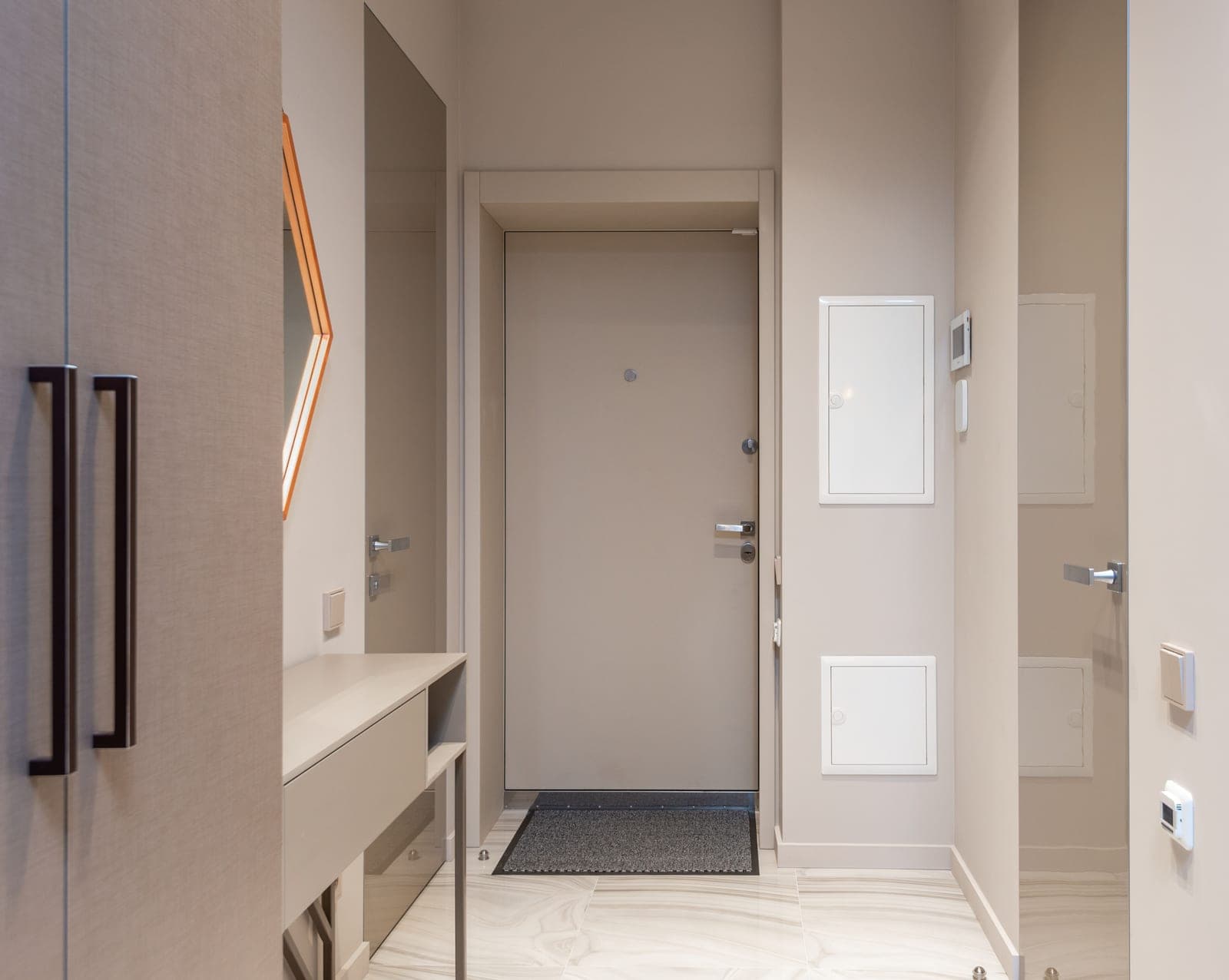
Guide
Pairs per square foot versus shoe size, drying and a usable surface. The honest case either way.
Frequently asked
How to measure your entryway, unless you have already measured. Almost every other decision in this category is downstream of four numbers, and taking them takes about ninety seconds.
The ones where a purchase is the natural next step do, after the section that establishes what to look for rather than before it. Safety and pure how-to guides do not, because bolting a product onto trust content is worse than leaving the page bare.
Both, everywhere, without exception. Roughly half of the depth questions in this category are asked in centimeters, so publishing one unit would make half the answer useless.
Sources
Read next
The fit guide
Standard depths, heights and clearances, with their sources.
Entryway storage benches
Eight benches ranked on depth, seat height and published load.
Shoe storage cabinets
Eight cabinets compared on what fits at each depth.
Hall trees with storage
Seven hall trees, ranked on the two numbers that decide them.