Guide
Outdoor and porch shoe storage
A porch is not a sheltered hallway, and the materials this category is built from do not survive it. This is a short, honest page about what actually works.
Can you put a shoe cabinet on a porch?
Not one built for indoors. Every shoe cabinet and bench we rank is particleboard, engineered wood, bamboo or powder-coated steel, and none of those is specified for outdoor use. Particleboard swells and delaminates within a season of real weather exposure.
This page carries no product picks, and that is deliberate. We do not rank outdoor-rated storage, and putting an indoor cabinet in front of you here because the page needs something to sell would be exactly the behavior this site exists to avoid.
What outdoor exposure actually does
- Rain. Water reaches particleboard through any unbanded cut edge and the core swells irreversibly. This is a matter of weeks, not years.
- Frost. Water absorbed into a panel expands when it freezes, which splits the board from the inside.
- UV. Sunlight fades laminates and makes them brittle, and the edge banding lifts first.
- Wind. A tall, light cabinet outdoors is a sail. Anything on a porch needs fixing more urgently than anything indoors.
A covered porch that never gets rain on it and stays above freezing is a different case, closer to an unheated hallway, and indoor furniture will survive there — for a while. The materials guide covers which materials do best in that condition.
What does work outside
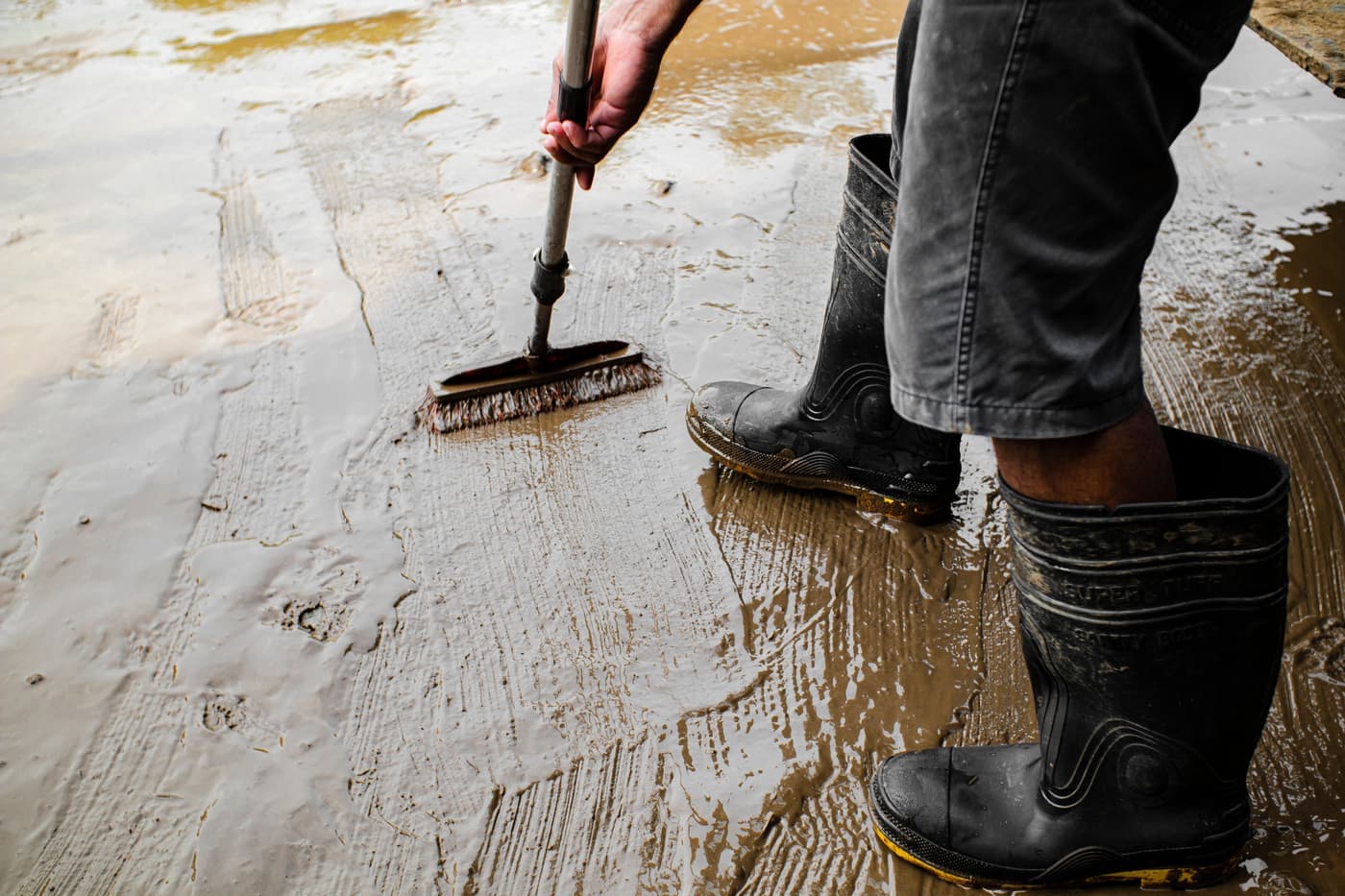
- A boot tray. Cheap, drains, ventilates completely, and the only genuinely correct answer for wellingtons and muddy work boots.
- Powder-coated or galvanized steel shelving rated for outdoor use. Not a piece we rank, and the right search term is outdoor or garden shelving rather than shoe storage.
- A resin or plastic deck box. Weatherproof, and it traps moisture badly, so it suits dry footwear rather than wet.
- A wall-mounted rack under cover. Keeps shoes off wet ground and lets air move through them.
For most households the honest answer is the first one. Boots that arrive muddy do not want a cabinet, they want somewhere to drain and dry, and a tray by the door does that better than any furniture.
The indoor half of the problem
The reason people search for outdoor shoe storage is usually that wet, dirty footwear is coming inside. That is worth solving on the inside too: a tray immediately inside the door, an open-tier bench rather than a closed cabinet for the pairs in daily use, and a few hours of drying before anything goes into closed storage.
Our ventilation guide covers why that last habit matters more than any product: the moisture wet shoes carry is what produces odor, and letting it evaporate before the cabinet door closes solves the problem at the cause.
Frequently asked
Questions people actually ask
Can you use an indoor shoe cabinet outside?
No. Particleboard and engineered wood swell irreversibly once water reaches a cut edge, and frost splits the panel from the inside. On a covered porch that stays dry and above freezing, indoor furniture will survive for a time.
What is the best outdoor shoe storage?
A boot tray for anything muddy or wet — it drains and ventilates, which is what wet footwear needs. For dry shoes under cover, outdoor-rated steel shelving or a resin deck box.
Why does this page not recommend a product?
Because we do not rank outdoor-rated storage, and pointing you at an indoor cabinet so the page had something to sell would be dishonest. Bare is the right answer here.
Where should muddy boots go?
On a tray, ideally just outside or immediately inside the door, where they can drain and dry. They should not go into closed storage until they are dry.
Sources
Where these figures came from
- Open against closed shoe storage — Open designs promote airflow which reduces moisture and odor buildup; closed cabinets trap moisture, creating the conditions bacteria need.
- Manufacturer published specifications — Product figures quoted here are the manufacturers' own published dimensions and ratings, cited in full on the roundup this guide links to.
Read next