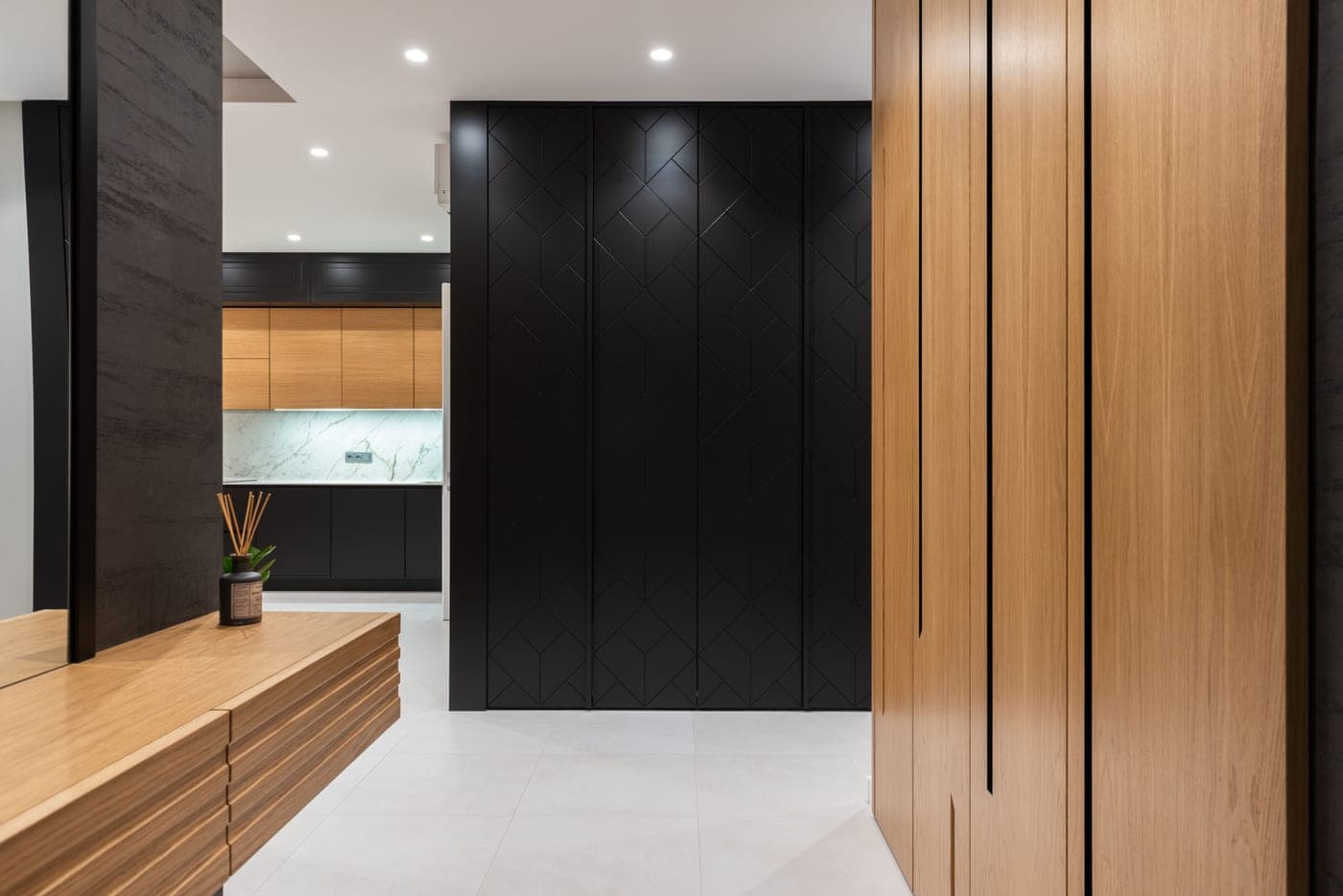
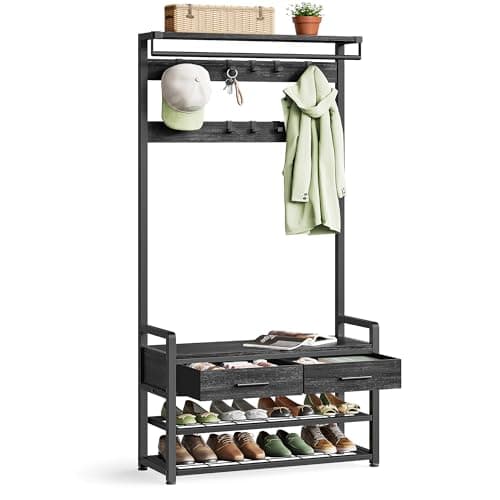
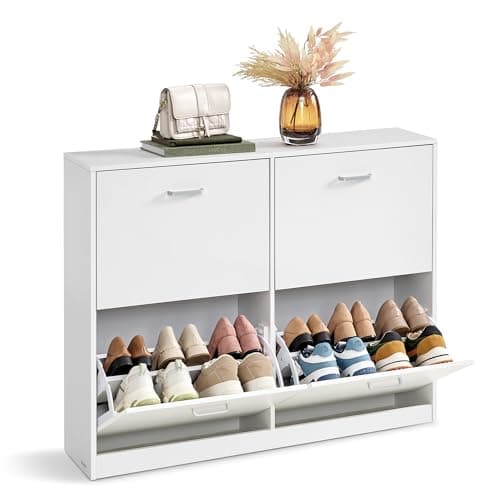
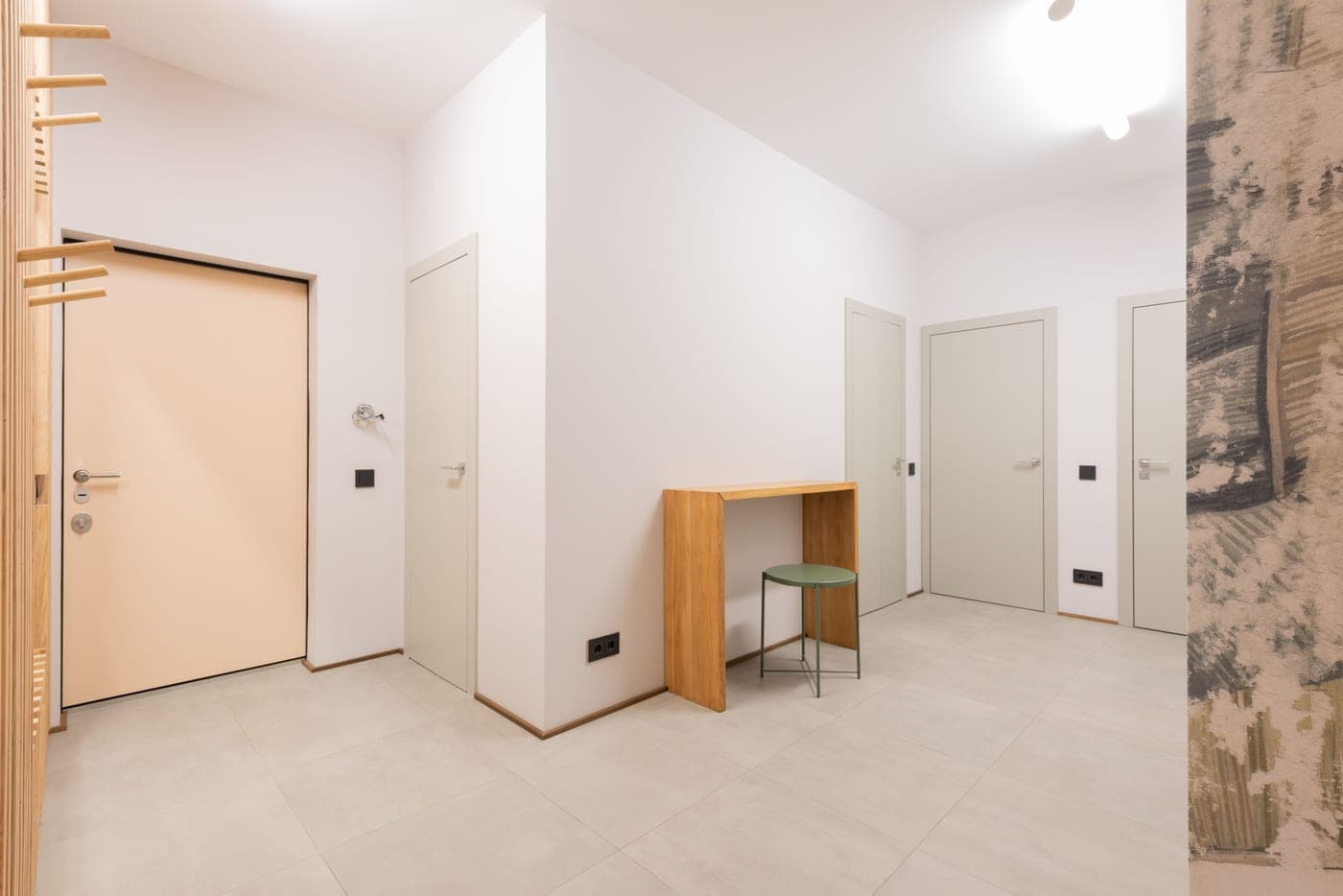
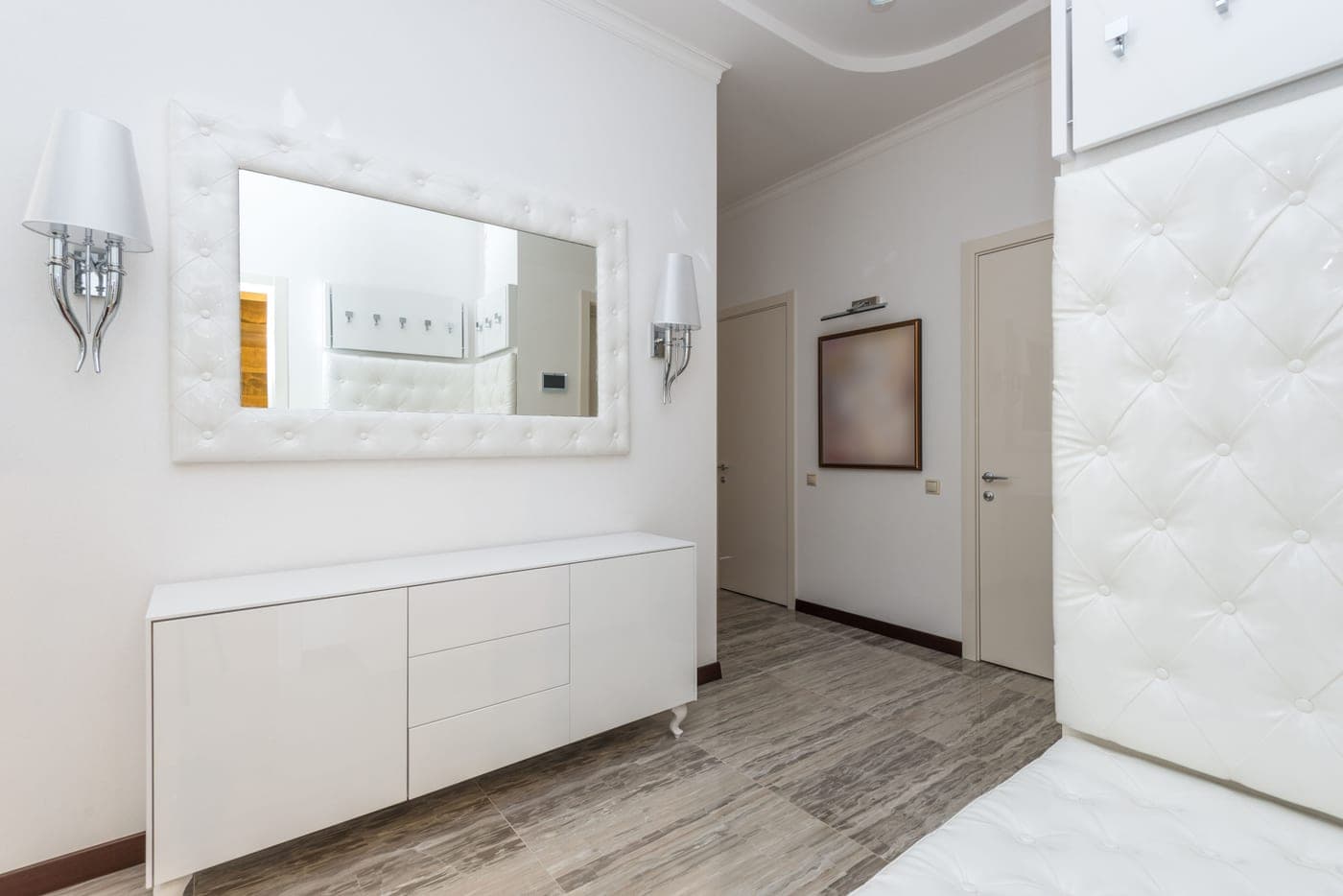
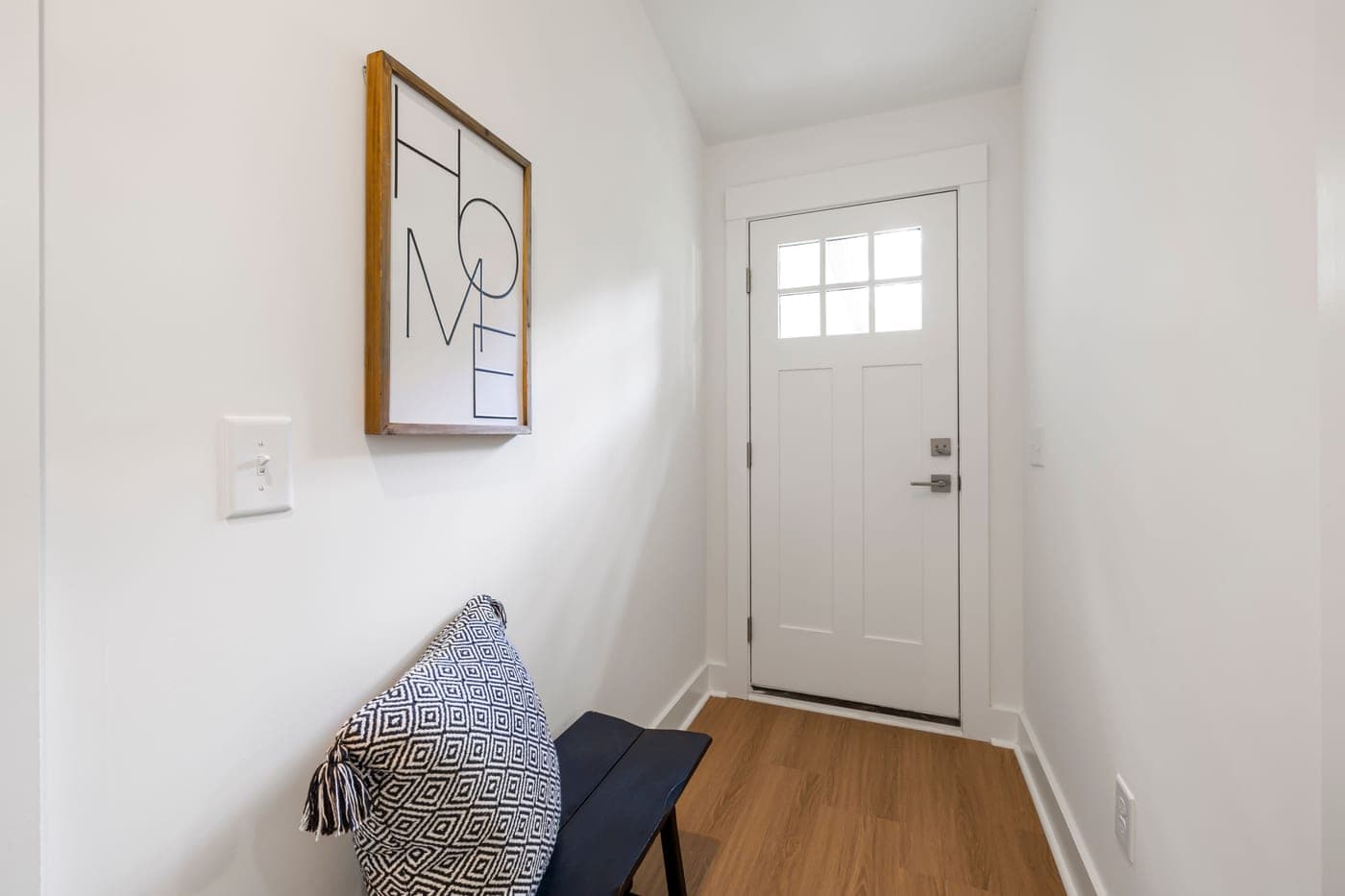
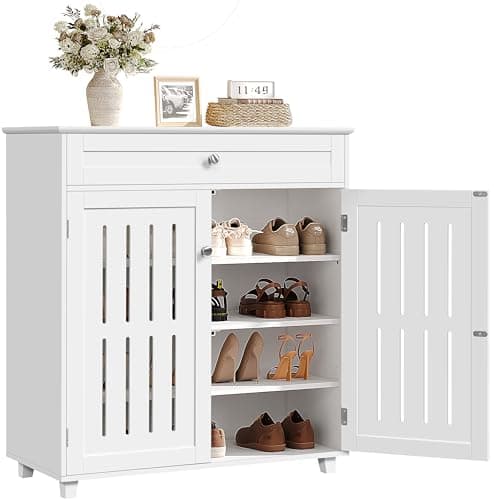
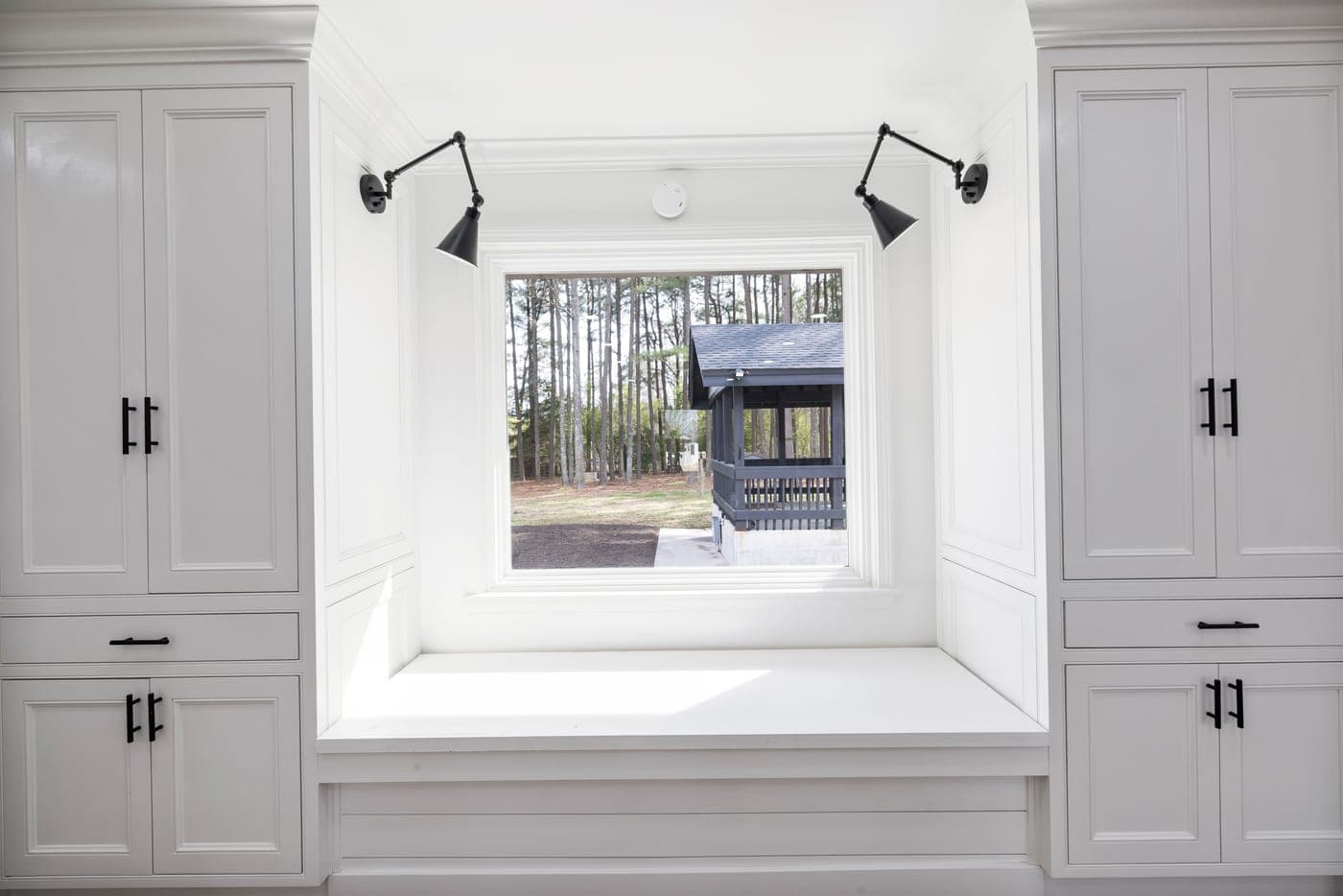
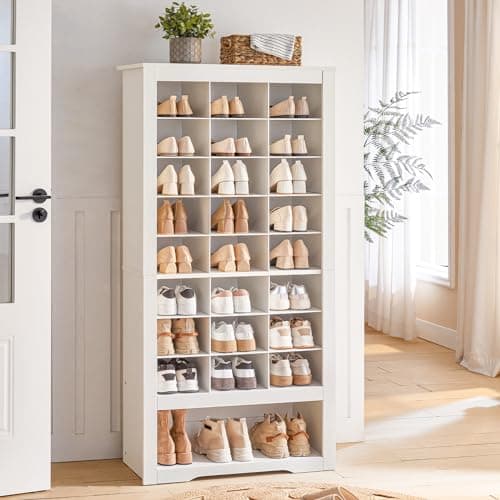
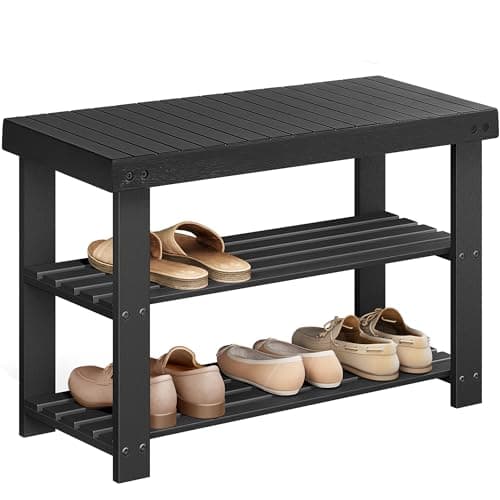
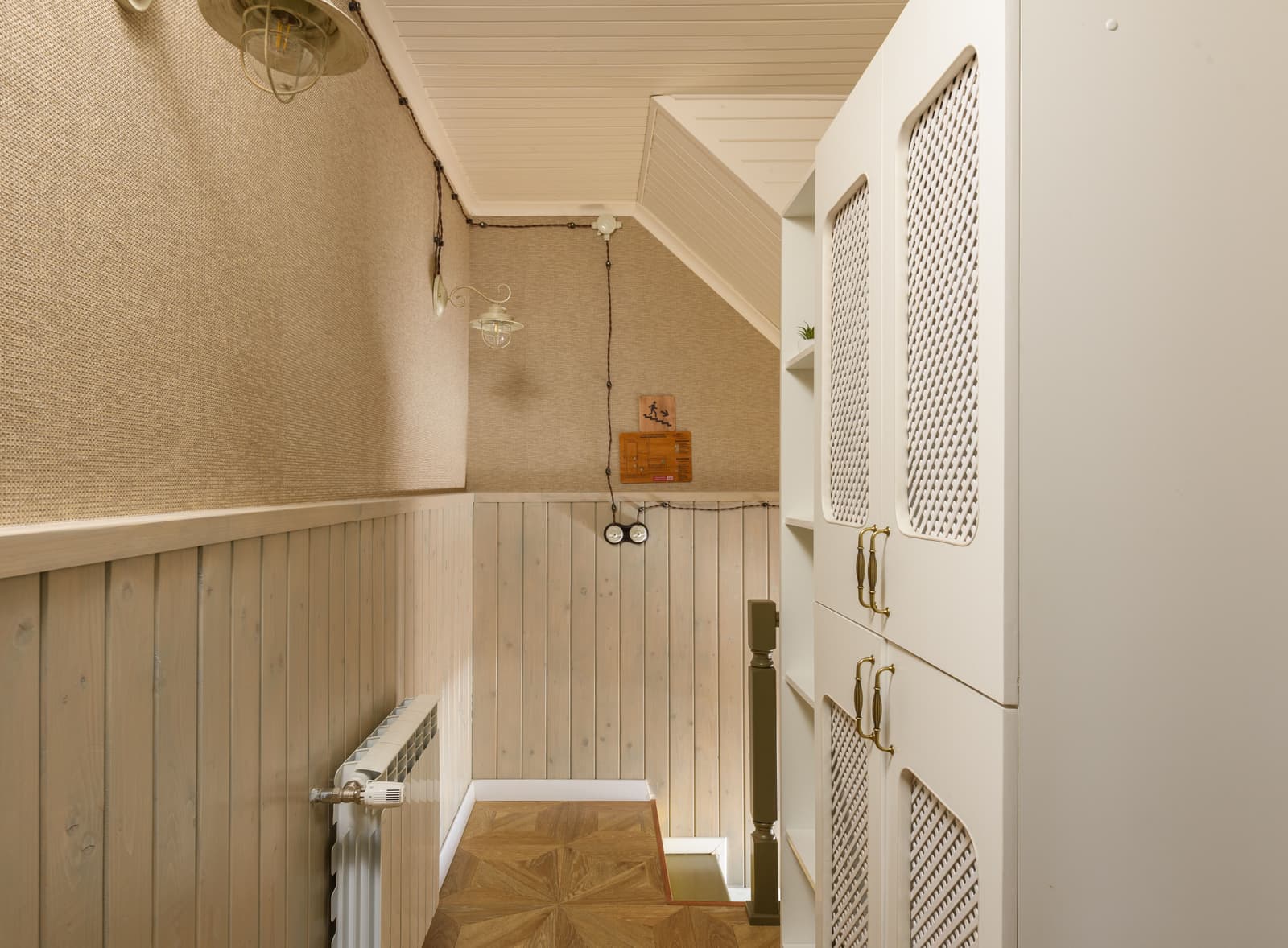
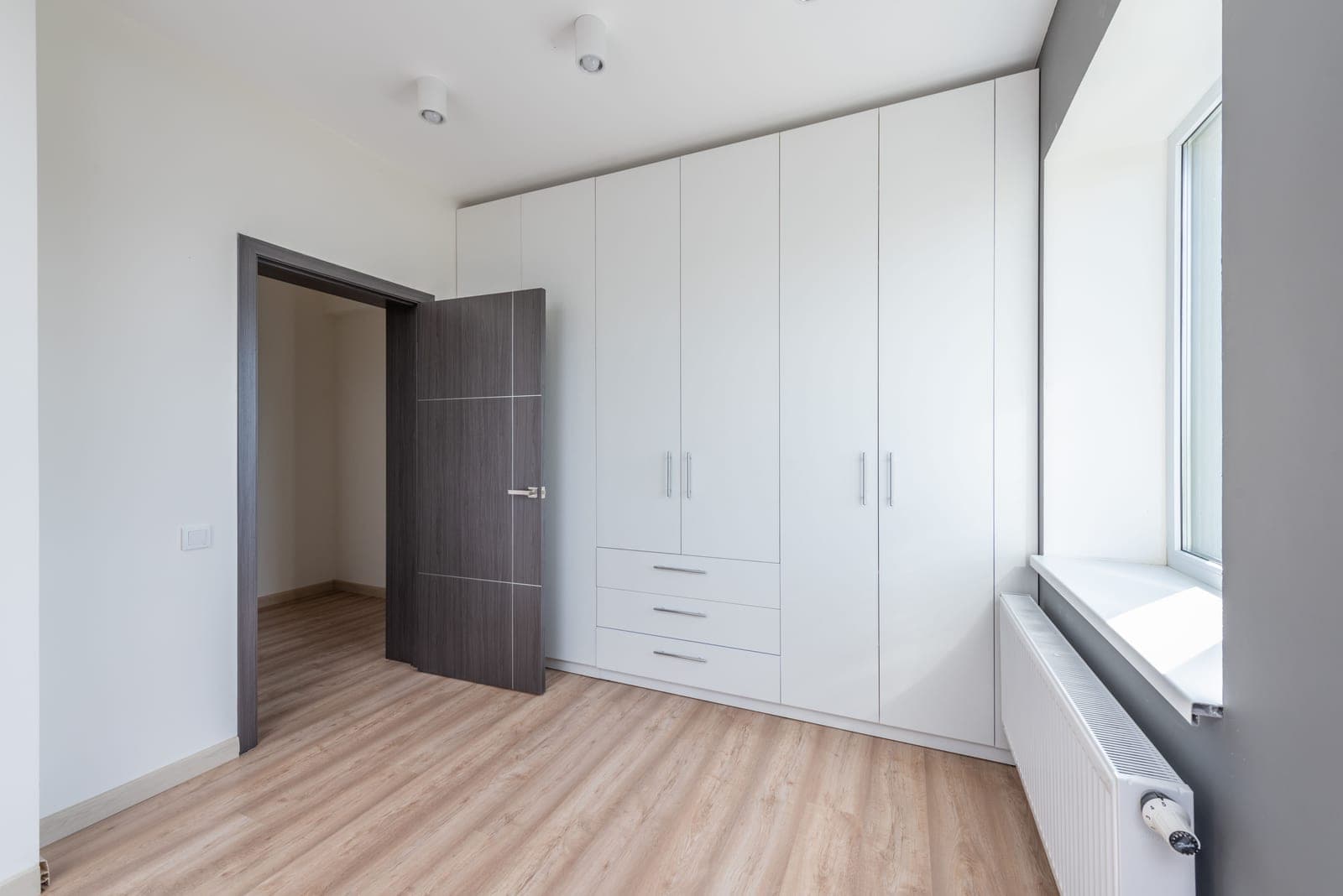
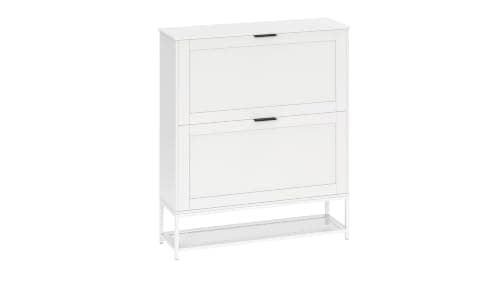
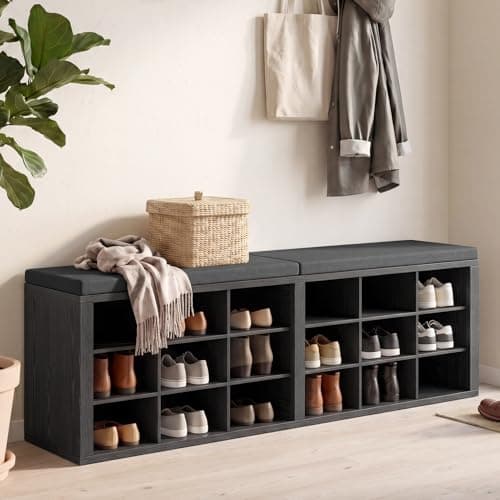
Hall tree or coat rack, cabinet or bench, open or closed — each of these is usually presented as a style preference. Each is really a question about floor depth, wall run, or whether shoes arrive at your door wet, and all three have numeric answers.
Take the most common one. A hall tree and a coat rack are described as different looks. They are actually different footprints: one takes 11 to 14 inches of floor depth permanently and gives you a seat, the other takes none and does not. In a hallway at the 36-inch code minimum, that difference decides the question before appearance is ever considered.
- A direct answer in forty to fifty words, at the top, before any elaboration.
- A decision table covering only the four to six attributes that genuinely differ.
- A choose-this-if for each side, written so you can find yourself in one of them.
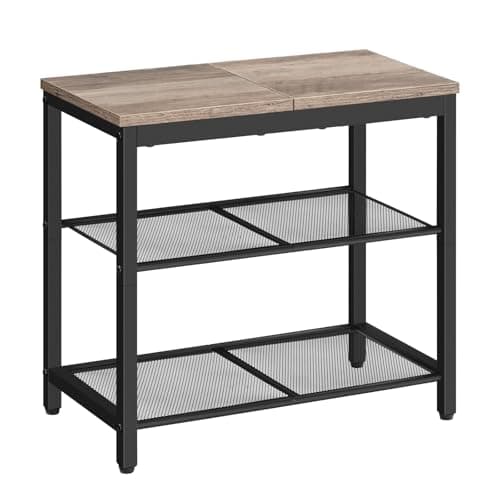
- Live-priced picks for both sides, because a comparison that sends you away to search for the winner has wasted your time.
Both sides carry picks on every page. A reader weighing two specific shapes of solution is the closest to buying of anyone on this site, and the worst possible outcome is a page that resolves the argument and then offers nowhere to act on it.
One of these compares the IKEA HEMNES cabinets, which are not sold on Amazon and which we earn nothing from. They are included because a comparison that leaves out the benchmark product is not a comparison, and those rows carry no buy link at all — they are labeled reference only where they appear.
That is the general rule here: a product goes into a comparison because a reader deciding between shapes needs to know about it, not because we can be paid for it. Where those two things diverge, the reader wins and we say so on the page.