Guide
Mudroom or entryway?
The words are used interchangeably and the rooms are not. One is a working space where wet things are dealt with; the other is usually a corridor that visitors see.
#ad — We earn a commission from qualifying purchases made through the Amazon links on this page, at no extra cost to you. It does not change what we recommend or the order we rank it in. Full disclosure.
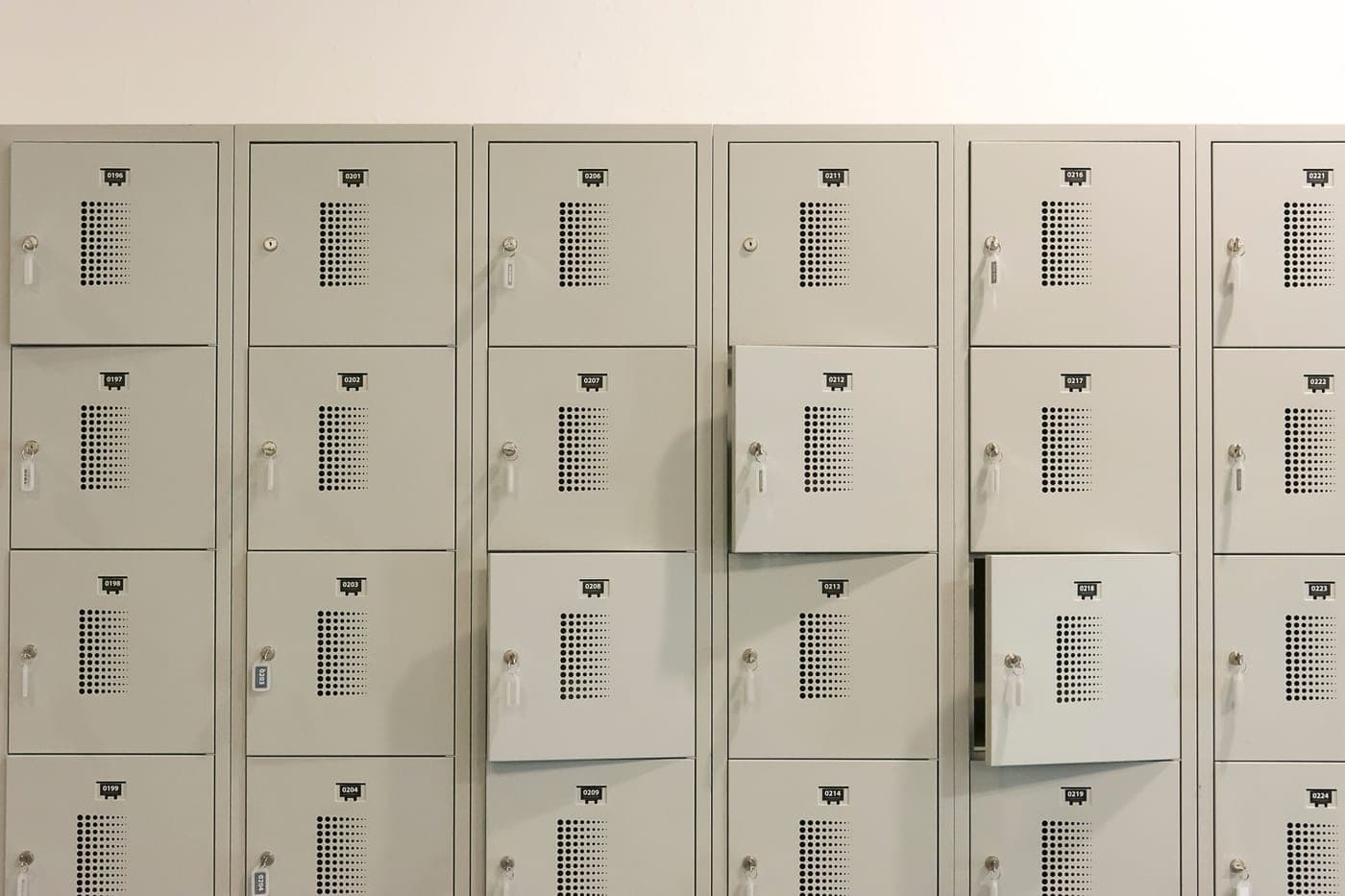
What is the difference?
A mudroom is a working room where wet outdoor things are removed and stored, usually off a side or back door and usually not seen by visitors. An entryway is the space behind the front door, often a corridor, and it is a first impression as well as storage.
That difference drives every furniture decision, and it is why advice written for one reads badly in the other.
What a mudroom needs
Capacity first. A mudroom serves a whole household at once, and the volume is bags, boots and sports kit rather than a few pairs of shoes. Cubby benches at 18 to 24 pairs are the right scale; a hall tree at six pairs is not.
Ventilation second, and here it is not optional. Wet boots in a sealed compartment is the exact condition that produces odor, and a mudroom takes more wet footwear than anywhere else in the house. Open cubbies, mesh shelves or louvered doors.
Third, hooks at heights that suit the people using them. This is the mudroom's structural advantage over a hall tree: the rail goes on the wall wherever you like, so adults get 60 to 65 inches and children get 36 to 42, rather than everyone sharing whatever height a frame decided.
What an entryway needs
Depth discipline first, because an entryway is usually a corridor and every inch comes off the walkway. Nine to twelve inches is the working range, and it rules out most of what a mudroom would use.
Appearance second, and it is a legitimate requirement rather than vanity. This is what visitors see, and open storage full of everyday shoes reads differently there than in a back room. This is the one place where a closed cabinet earns its ventilation penalty.
Third, a seat, if the depth budget allows. Putting shoes on standing up in a doorway is the entryway's characteristic failure, and it is worse in an entryway than a mudroom because a mudroom usually has a bench by default.
If you have both
Put the volume in the mudroom and keep the entryway thin. Everyday footwear and the coats in current use go behind the front door in a slim cabinet; boots, sports kit, seasonal outerwear and everything that arrives wet goes in the mudroom.
The mistake is duplicating: a full storage setup at both doors means both are half empty and neither works properly. Decide which door the household actually uses and put the capacity there.
The picks in full
Every pick, with the numbers behind it
Top pick
Households with many pairsPrepac 18-Pair Shoe Storage Cubbie Bench
Eighteen pairs across four feet of wall, and the only bench here that publishes the internal size of each individual cubby.
Key dimensions
- Width
- 48 in (122 cm)
- Depth
- 16 in (41 cm)
- Height
- 24 in (61 cm)
- Seat height
- 24 in (61 cm)
- Depth band
- Deep
Footprint 48 x 16 x 24 in (122 x 41 x 61 cm). Boots, and a comfortable seat depth.
Full specification
Source: Published assembled 48 W x 16 D x 24 H in and per-cubby internal 6.75 W x 5.5 H x 13.75 D in, Prepac shoe storage cubbie bench listing.
What the specs support
- Publishes each cubby at 6.75 x 13.75 x 5.5 in, so you can check your own shoes against it before buying
- 13.75 in of internal depth swallows a US men's 13 flat, heel to toe
- 18 pairs is roughly double what any bench above holds
- 5-year parts warranty is unusual at this price
Limitations
- 24 in (61 cm) high is a tall perch, not a comfortable bench seat
- No published weight capacity for a piece sold as a bench
- 48 in (122 cm) wide needs a dedicated wall
Skip this if
You want somewhere comfortable to sit. At 24 in the top is counter-adjacent height, six inches above the 18 in seat standard.
Who it is forA mudroom or garage entry where pair count beats seating, and a family of four keeps three pairs each by the door.
Pick 2
The strongest published seatVASAGLE 3-in-1 Hall Tree with Steel Frame (UHSR041)
A 300 lb steel-framed bench under a coat rack, in 27.6 in of wall — the strongest seat rating in this roundup.
Key dimensions
- Width
- 27.6 in (70 cm)
- Depth
- 12.6 in (32 cm)
- Height
- 68.9 in (175 cm)
- Depth band
- Standard
Footprint 27.6 x 12.6 x 68.9 in (70 x 32 x 175 cm). Adult shoes flat, heel to toe.
Full specification
Source: Published 12.6 D x 27.6 W x 68.9 H in and 300 lb bench capacity, VASAGLE UHSR041B41 listing.
What the specs support
- 300 lb bench rating is the highest published here
- 27.6 in (70 cm) wide is the second-narrowest hall tree on this site
- Steel frame rather than a board carcass
- 12.6 in (32 cm) deep is still under the seat-depth comfort threshold
Limitations
- No published per-hook rating, unlike its sibling above
- 68.9 in (175 cm) tall, so wall fixing is not optional
- Fewer hooks than the 10-hook models here
Skip this if
You need to know what the hooks will take. VASAGLE publishes the bench rating for this model but not the hook rating.
Who it is forA narrow entry where the seat has to take an adult every day and 28 inches is all the wall there is.
Pick 3
Boots plus everyday shoesVASAGLE Shoe Cabinet, 3 Flip Drawers with Open Compartment
Fifty-four inches tall on a 9.4 in base, with an open compartment for the boots that flip drawers cannot take.
Key dimensions
- Width
- 31.5 in (80 cm)
- Depth
- 9.4 in (24 cm)
- Height
- 54.5 in (138 cm)
- Depth band
- Ultra-slim
Footprint 31.5 x 9.4 x 54.5 in (80 x 24 x 138 cm). Tilted or on-edge storage only.
Full specification
Source: Published 9.4 D x 31.5 W x 54.5 H in, up to 24 pairs, 97 lb (44 kg) static load, VASAGLE 3-flip-drawer cabinet with open compartment listing.
What the specs support
- The open compartment solves the boot problem that every flip drawer has
- 97 lb published load is strong for a 9.4 in deep cabinet
- 24 pairs from 2 sq ft of floor
- Open and closed storage in one carcass, so wet pairs can air
Limitations
- 54.5 in (138 cm) tall and 9.4 in deep is a tipping profile — anchor it
- The open compartment shows exactly the shoes you are least likely to have cleaned
- No published compartment dimensions
Skip this if
You cannot fix it to the wall. A 54 in cabinet on a 9 in base is not a free-standing piece in a house with children or a dog.
Who it is forA winter entry where boots and shoes both need a home and the wall can take an anchor.
Frequently asked
Questions people actually ask
What is the difference between a mudroom and an entryway?
A mudroom is a working room off a side or back door where wet outdoor things are removed and stored. An entryway is the space behind the front door, usually a corridor, and it is seen by visitors.
What furniture does a mudroom need?
Capacity and ventilation: a cubby bench holding 18 to 24 pairs, with an open or louvered design and a hook rail above set at heights that suit the people using it.
Can a hall tree work in a mudroom?
Against a short return wall, yes. On a full wall a cubby bench with a separate rail stores three to four times as many pairs and lets you choose the hook heights.
Should I store everything in the mudroom?
Put the volume there — boots, sports kit and anything wet — and keep the entryway thin, with just the footwear and coats in current use. Duplicating storage at both doors leaves both half working.
Sources
Where these figures came from
- International Residential Code minimum hallway width — 36 in minimum for a residential hallway; 36 to 42 in typical, 42 to 48 in comfortable.
- Coat hook height reference — 60 to 65 in for adults, 66 in builder standard, 36 to 42 in for children, 54 to 60 in in an entryway or mudroom, and 24 to 30 in above a bench seat.
- Open against closed shoe storage — Open designs promote airflow which reduces moisture and odor buildup; closed cabinets trap moisture, creating the conditions bacteria need.
Read next
Where to go from here
Hall tree or mudroom bench?
The furniture decision, in detail.
Entryway benches
Including the cubby benches that serve a mudroom.
Ventilation
Why a mudroom cannot use sealed storage.
Storing boots
The mudroom's defining problem.
Hall trees for a mudroom
Once you have decided it is a mudroom, the five that suit the harder room.